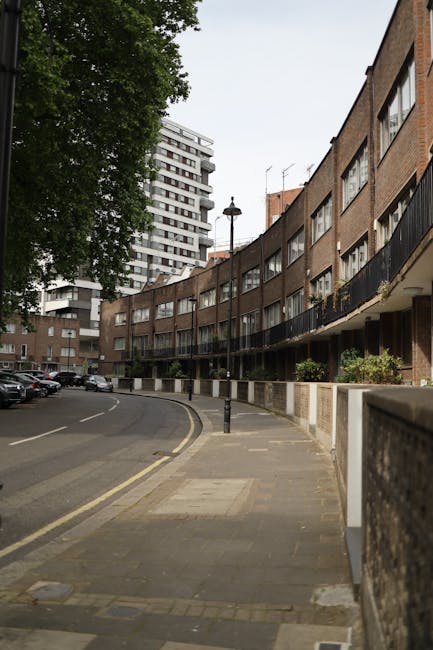
Heygate Estate movers and small move tips Elephant And Castle: a practical guide for easier local moves
If you are planning a move around Heygate Estate or anywhere nearby in Elephant And Castle, you probably already know the tricky bits: tight stairwells, awkward parking, a few too many boxes for a "small" move, and not quite enough time to make it all feel calm. That is exactly why Heygate Estate movers and small move tips Elephant And Castle is worth thinking about properly. A short-distance move can still be stressful if the details are missed, but it can also be surprisingly smooth when you plan it in the right order.
In this guide, we will walk through what makes local moves in this part of south London a little different, how the process usually works, and the small but important choices that can save you time, money, and a few headaches. You will also find practical packing guidance, a comparison of move options, a real-world example, and a checklist you can actually use. Nothing fluffy. Just the useful stuff.
Why Heygate Estate movers and small move tips Elephant And Castle Matters
Heygate Estate and the wider Elephant And Castle area have their own moving rhythm. There are busy roads, residential blocks, lifts that may not be available when you need them, and the classic London problem of "where exactly do we stop the van?". Even a short move can become a long day if the access details are not sorted early.
That is why local knowledge matters. A mover who understands the area can plan around loading points, typical traffic patterns, building access rules, and the practical reality of shifting belongings through communal spaces. That does not mean every move is complicated. Far from it. It simply means a small move in this area benefits from a bit more thought than people sometimes expect.
Small moves are often underestimated because the load looks manageable. One bed, a few chairs, a desk, a TV, several boxes. Easy, right? Then the reality arrives: the sofa does not fit round the corner, the lift is too small, the parking bay is taken, and suddenly everyone is doing a lot of standing around. A good plan avoids that awkward pause where you are sort of waiting for the day to fix itself.
For many people, the biggest win is not just transport. It is confidence. When you know the sequence, the timing, and what kind of help you actually need, the move feels lighter. That is the heart of this topic.
How Heygate Estate movers and small move tips Elephant And Castle Works
Small local removals usually start with a simple assessment: what needs moving, from where, to where, and what access issues might get in the way. You do not need a huge vehicle for every move, and you certainly do not need to overbook services you will not use. The right setup depends on the amount of furniture, the number of boxes, the distance, and whether you need help with loading and unloading.
In practice, a local move often follows a few clear stages:
- Pre-move review: You list the items, confirm the floor level, and check access at both addresses.
- Packing and labelling: Boxes are grouped by room and fragile items are set aside with extra care.
- Vehicle selection: A van or moving truck is chosen based on volume, not guesswork.
- Collection and loading: Furniture is protected, carried safely, and loaded in a sensible order.
- Transport and delivery: The route is planned to avoid unnecessary delays where possible.
- Unloading and placement: Items are taken to the right rooms so you are not shuffling boxes around again later.
If you are comparing services, it helps to understand that not every job needs the same setup. Some people only need a man and van style service for a few items and some loading help. Others prefer a more complete removal services approach where packing support, lifting, and transport are all part of the job.
For flat residents, especially in blocks around Elephant And Castle, the main variable is often access rather than distance. If lift access is limited or the staircase is narrow, moving in stages becomes more efficient than trying to do everything at once. Honestly, that small detail can save the whole day.
Key Benefits and Practical Advantages
A well-planned local move offers more than convenience. It reduces the physical strain, lowers the chance of damage, and helps you keep the day under control. That sounds obvious, but in moving, obvious things are often the first to go missing.
- Less wasted time: The right size vehicle and a clear access plan prevent repeated trips.
- Lower handling risk: Careful lifting and better packing protect both your belongings and the people moving them.
- Better use of space: Small moves can be packed efficiently if items are grouped well and loaded in the right order.
- More predictable costs: Clear requirements reduce last-minute changes.
- Less stress: A simple moving plan removes a lot of uncertainty.
There is also a practical local benefit. In busy parts of London, time is often the hidden cost. If a move drags on because of poor planning, it can affect parking, building access, neighbours, and your own schedule for the rest of the day. Nobody wants to be carrying a bedside table through a corridor while someone else is already waiting for the lift. It happens.
Another advantage is flexibility. Small moves can often be tailored. You may only need help for one load, or you may want a service that combines transport with packing supplies from the packing and boxes service. That sort of flexibility makes local moving much easier to manage.
Who This Is For and When It Makes Sense
This kind of move is ideal for people who are shifting a modest volume of items and want a practical, no-drama solution. That might be a student moving between rooms, a renter changing flats, someone downsizing, or a household moving only a few pieces of furniture across south London.
It also makes sense if you are moving from a block where access is a bit fiddly. A small move can be the smartest choice when:
- you only have a handful of furniture pieces
- you are moving from a flat rather than a full house
- you need same-day or short-notice support
- you want help with loading but not a full packing service
- you need a careful move for fragile or awkward items
It can also suit people moving items into storage while sorting out the next stage of life. That is common when timelines do not line up neatly. One property is ending, another is not quite ready, and you need a holding solution in between. In those cases, storage can be a useful part of the wider moving plan.
There is no shame in keeping the move modest. In fact, a small move is often the smarter move. Less to pack, less to lift, less to tidy afterwards. Simple, but not simplistic.
Step-by-Step Guidance
If you want the day to run well, the best approach is to work backwards from move day. Start with the final delivery point, then think about access, then packing, then vehicle size. Reversing the process makes it easier to spot problems before they turn into delays.
1. Walk through both properties
Check stair width, lift size, hallway turns, and where a van can safely stop. If you can, stand in the doorway and imagine a sofa going through. Slightly ridiculous, perhaps, but very effective.
2. Separate essentials from non-essentials
Pack a small bag with keys, chargers, ID, medication, toiletries, snacks, and one change of clothes. Small move or big move, this bag is the one you will be grateful for at 7:30 in the evening.
3. Measure bulky items
Measure beds, wardrobes, desks, and white goods before the move. A compact van is fine for some jobs, but awkward when the items were never checked against the available space.
4. Book the right help
If you only need transport and loading assistance, a lighter service may work well. If you need wider support, consider a full local move plan through removals. If you are moving out of a flat, flat removals may be the more relevant fit.
5. Label boxes clearly
Use room names and short notes like "fragile", "books", or "first open". That tiny bit of effort saves time on arrival.
6. Load in the right order
Heavier, sturdier items usually go in first, with fragile items secured later in the load. A careless load can cause shifting, and shifting is what creates damage. There is nothing dramatic about it, just the wrong box in the wrong place at the wrong moment.
7. Confirm the finish
Before the move ends, check that the essentials are where they should be. If something needs to go into storage or to another location, say so early rather than at the last minute.
Expert Tips for Better Results
Here is the part people often skip: the little operational details. They are not glamorous, but they matter.
- Use the lift strategically. If a lift is available, keep the loading path clear and group items by size so you are not constantly rearranging people and boxes.
- Keep one box for loose items. Screws, shelf brackets, curtain hooks, remotes, and cables tend to disappear during a move. One well-marked box keeps them all together.
- Protect corners and glass. A cheap blanket or proper wrapping can prevent the kind of damage that is annoying rather than catastrophic, which is somehow worse.
- Choose van size carefully. Too small means extra trips. Too big can be unnecessary. If you are unsure, a removal van or a moving truck may suit different load sizes, depending on access and volume.
- Be realistic about time. A "quick" move can still need a morning and an afternoon if stairs, parking, or dismantling are involved.
To be fair, one of the best tips is simply this: do not try to be clever on move day. Straightforward usually wins. Label clearly, stack sensibly, ask for help with the heavy stuff, and keep your instructions simple. That tends to work better than any heroic improvisation.
If you are relocating a few single items rather than a full household, you may find a man with van option useful too. The point is to match the service to the load, not the other way round.
Common Mistakes to Avoid
Most moving problems are avoidable. They come from assumptions, rushed packing, or not checking the building situation properly. The good news is that once you know the usual traps, you can sidestep them without much effort.
- Underestimating the access issues. A move can be small and still awkward if parking or lifts are limited.
- Mixing all box contents together. That makes unpacking slower and increases the chance of breakage.
- Forgetting dismantling needs. Beds and tables often need tools and time, not just muscle.
- Booking the wrong type of service. A tiny load does not need a huge setup, but it may still need more than a casual lift-and-go approach.
- Not preparing for the first night. Toothbrushes, kettle supplies, bedding, and chargers should stay close.
- Leaving furniture disposal too late. If something is not going with you, it needs a plan. That might include furniture removals or furniture pick up depending on what you are clearing.
One other mistake? Thinking you can pack in a vague, "we'll sort it later" way. Later is where chaos breeds. Better to have a rough structure now than a box of wires, chargers, and mystery screws next week.
Tools, Resources and Recommendations
You do not need fancy gear, but a few basic items make a noticeable difference. Good packing tape, sturdy boxes, marker pens, furniture blankets, and a trolley or sack truck can change the tone of the whole day. So can a couple of zip bags for small parts and a notepad for what needs to be reassembled first.
For many small moves, the most useful support comes from a mix of transport and packing help. If you want help getting items boxed safely before the move, packing and unpacking services can save time and reduce the mess at the other end. If you are trying to keep costs controlled, you may prefer to compare the options through pricing and quotes.
Some moves also need a broader solution. Students, for example, often move with a surprisingly mixed load: books, clothes, kitchen items, a desk, maybe a bike, maybe not. For that kind of job, student removals can be a sensible fit. And if there is no time to wait, same-day removals may be relevant, although availability will always depend on the day.
For peace of mind, you may also want to look at how the company handles safety and protection. That includes insurance and safety, which matters more than people think when something expensive, awkward, or sentimental is involved. No one wants a surprise on move day. Not the good kind anyway.
Law, Compliance, Standards, or Best Practice
For a local move, the main compliance concerns are practical rather than dramatic. The basics are safe lifting, sensible loading, proper vehicle operation, and respect for the building or property being used. UK moving practice also usually means clear communication about what is included, what is excluded, and how any damage concerns are handled.
It is sensible to check that any mover you use has appropriate insurance cover for the kind of work they are doing. You should also expect clear terms, transparent pricing, and realistic service descriptions. If a job involves shared access, lifts, or tight staircases, it is wise to discuss these details in advance. That is not being difficult. It is being sensible.
There are also common-sense standards worth expecting from any mover:
- items are handled with care and loaded securely
- access routes are respected and kept clear where possible
- fragile items are treated differently from ordinary boxes
- any special items, like pianos or large wardrobes, are discussed before the move
- you are given clear communication if plans need to change
If you are moving high-value, heavy, or especially delicate items, the standards should be even higher. For instance, piano removals need more careful handling than a standard box-and-chair job. Fairly obvious, but worth saying. The same goes for your rights and obligations around booking terms, which is why it is sensible to read the terms and conditions before confirming anything.
Options, Methods, or Comparison Table
Choosing the right moving method is usually easier once you compare them side by side. The best option depends on the size of the load, access at both ends, and how much lifting help you want.
| Option | Best for | Strengths | Possible limitations |
|---|---|---|---|
| Man and van | Very small loads, single-room moves, a few bulky items | Flexible, usually practical for short local jobs, straightforward | Not ideal for larger loads or complex access |
| Removal van | Small household moves, mixed furniture, boxes and appliances | Good balance of space and flexibility | May still need careful planning for bulky furniture |
| Moving truck | Larger small moves, heavier loads, longer access time | More capacity, fewer repeat trips | Can be unnecessary for tiny jobs, parking may be trickier |
| Full removals support | Moves with packing, dismantling, or more fragile items | More complete service, less personal labour | Usually more involved than a basic transport-only job |
If your move is really about convenience, you may want a service that blends transport with packing help. If it is mostly about cost and simplicity, a smaller setup can be enough. If you are moving out of a higher-floor flat near Heygate Estate, that access factor often pushes the decision one way or the other.
For households moving into a larger property, home moves and house removals are more appropriate than a tiny transport-only option. Matching the method to the job is the whole game.
Case Study or Real-World Example
Here is a typical local move scenario. A couple is leaving a flat near Elephant And Castle and moving a short distance across south London. They have a bed, a sofa, a dining table, eight boxes, a desk, and two fragile lamps. On paper, that sounds manageable. In reality, the lift in the building is small, the sofa does not love the corner turn in the corridor, and the loading spot outside is time-sensitive.
Instead of trying to squeeze everything into a vague plan, they break it down. The bed is dismantled the night before. Boxes are grouped by room. Lamps and cables are packed separately. They arrange a suitable vehicle, and they mention the lift restriction and parking constraints in advance. Small details, big difference.
On move day, loading starts with the largest items, then boxes are added by weight and room order. The fragile items stay separated, and the new place is ready with labelled rooms so unloading is quick. The result? Fewer trips, less back-and-forth, and no panic at the door. Not perfect, because real moves never are, but calm enough to feel like progress rather than chaos.
That is the point of good local moving advice. It does not eliminate effort. It makes the effort worthwhile.
Practical Checklist
Use this as a quick pre-move check. It is simple, but it catches the common problems.
- Confirm moving date and time window
- Check lift access, stairs, and parking at both addresses
- Measure bulky furniture and doorways
- Separate essentials for the first 24 hours
- Label boxes by room and priority
- Pack fragile items with extra protection
- Set aside tools for dismantling and reassembly
- Decide whether you need a van, truck, or full removals support
- Arrange storage if there is a gap between move-out and move-in
- Read service terms and confirm insurance details
- Keep keys, documents, and chargers handy
- Leave time for one final walk-through before departure
When in doubt, keep things simple and visible. What is going where? What needs to stay with you? What could break? Answer those three questions and most of the stress starts to fade.
Get a free quote today and see how much you can save.
Conclusion
Heygate Estate movers and small move tips Elephant And Castle is really about making a local move feel manageable, even when the building access, parking, or timing is a bit awkward. The better you plan the small details, the less the day surprises you. That is the honest truth of it.
If your move is compact, focused, and local, you do not need to overcomplicate it. Choose the right size support, pack with a clear system, check access early, and keep the essentials close. Whether you are moving a few pieces of furniture or a whole small flat, a calm plan beats a rushed one every time. And once the boxes are in, there is usually that nice quiet moment when the hard part is done and the new place starts to feel like yours.
That moment is worth planning for.
Frequently Asked Questions
What is the best moving option for a small move in Elephant And Castle?
For a genuinely small load, a man and van or removal van setup is often enough. If you have more furniture, multiple boxes, or tricky access, a fuller removals service may be better.
Do I need a large truck for a few items?
Usually not. A large truck can be unnecessary for a short local move with only a few items. The better approach is to match vehicle size to the actual load and access conditions.
How far in advance should I book a local move?
As early as you can, especially if you are moving on a weekend or at the end of the month. Small moves can sometimes be arranged quickly, but early booking gives you more choice.
Can I use storage if my new place is not ready yet?
Yes. Storage is often useful when dates do not line up neatly or when you want to move in stages rather than all at once.
What should I pack first for a small move?
Start with non-essential items, then seasonal belongings, books, decor, and anything you will not need before the move. Keep daily essentials and chargers to one side.
Is packing help worth it for a small move?
Often, yes. If you are busy or moving fragile items, packing and unpacking support can save time and reduce damage risk. It is especially helpful when the move is short but the access is awkward.
What if I only need help moving one sofa or bed?
That is exactly the kind of job where a smaller transport solution can make sense. Single bulky items are common in local moves, and they do not always need a full-house service.
How can I make moving day less stressful?
Label clearly, prepare an essentials bag, confirm access, and keep the move plan simple. Honestly, a clean checklist does more than most people expect.
Are flat moves different from house moves in this area?
Yes, usually because of access. Flats may involve lifts, shared corridors, and tighter loading arrangements, while houses may involve different parking and carrying distances.
What should I ask before I book removal help?
Ask what the service includes, how insurance is handled, what happens with fragile items, and whether the vehicle size is suitable for your load. Clear answers make everything easier.
Do I need special help for heavy or delicate items?
Yes, if the item is awkward, valuable, or especially fragile. Pianos, large mirrors, and certain antiques should be handled with the right level of care and planning.
What if I need to move at short notice?
Short-notice moves can sometimes be arranged, and same-day removals may be available depending on timing and capacity. If time is tight, be ready with a clear item list and access details.