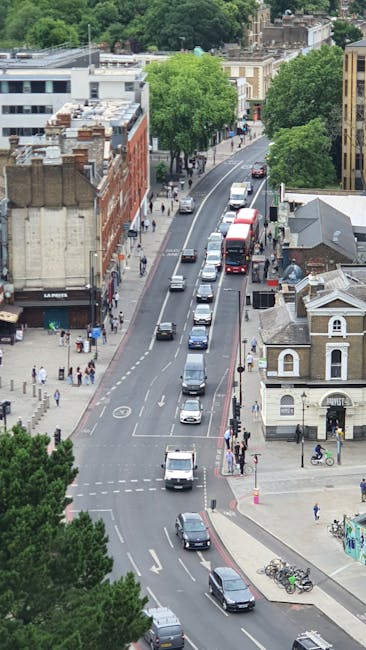
Newington Causeway Flat Removals Checklist Elephant And Castle
Moving out of a flat on Newington Causeway can feel straightforward on paper and oddly chaotic in real life. There are stairwells to measure, lift bookings to chase, parking to think about, neighbours to keep happy, and the little stuff that always seems to appear at the wrong moment. This guide to the Newington Causeway flat removals checklist Elephant And Castle is designed to take that pressure down a notch. It walks you through the practical steps that matter, from planning and packing to move-day timing, building access, and the details people often forget until the last minute.
If you are moving within Elephant And Castle, across London, or out of the area entirely, a smart checklist can save time, money, and a fair bit of stress. Let's face it: moving flats is rarely about one big task. It is usually twenty smaller ones all arriving at once. The good news? Once you know what to do and when to do it, the whole process becomes much more manageable.
Why Newington Causeway flat removals checklist Elephant And Castle Matters
Newington Causeway sits in a busy part of south London, so even a small flat move can involve more moving parts than you first expect. Deliveries, traffic, shared entrances, loading space, concierge rules, and time windows all matter. A flat removals checklist helps you line up those pieces before the boxes start stacking up in the hallway.
It matters even more in a flat than in a house. Why? Because flats usually mean tighter access, shared spaces, and less room for guesswork. If a sofa will not fit through the lift, or the removal van cannot stop where you thought it could, the day gets longer. Much longer. A checklist helps you spot those risks early and deal with them calmly instead of on the fly.
In our experience, the best flat moves are the boring-looking ones. Everything is labelled, the keys are organised, the route is planned, and no one is trying to find charger cables inside a moving box at 9:40 p.m. the night before. Small things. But they make a huge difference.
Practical takeaway: A good moving checklist does not just help you pack. It helps you control timing, access, communication, and risk on a tight urban move.
How Newington Causeway flat removals checklist Elephant And Castle Works
The checklist works best when you treat your move as a sequence, not a scramble. First, you confirm the basics: move date, building access, floor level, lift availability, parking or loading restrictions, and what actually needs to be moved. Then you sort the packing, arrange the right type of removals support, and set a move-day plan that keeps the whole thing flowing.
For many flat moves, the process links neatly with services such as flat removals, packing and boxes, and, where the move is smaller or access is tight, man and van. If you have a few bulky pieces or want extra help with loading, removal services can give you a more structured approach.
The checklist also helps with decisions that people often leave too late. For example, do you need temporary storage if completion and handover do not line up? Do you need help with a piano, a heavy wardrobe, or a sofa that looks innocent until it reaches the staircase? Those are not afterthoughts. They are planning items.
When done properly, the checklist creates a smoother chain: assess, sort, pack, label, protect, move, check, settle. Simple, really. Not always easy, but simple.
Key Benefits and Practical Advantages
The biggest benefit is control. A checklist gives you a clear plan, which is especially useful when you are juggling work, keys, paperwork, and everyday life at the same time. It also cuts the risk of last-minute panic, which, to be fair, is probably the most common moving expense nobody budgets for.
- Less stress: you know what needs doing and when.
- Better packing: boxes are grouped logically, not filled randomly.
- Faster move day: removal teams can load in a sensible order.
- Fewer delays: access issues are identified before the van arrives.
- Lower risk of damage: fragile items are wrapped and labelled properly.
- Better cost control: you avoid avoidable extras caused by poor prep.
There is also a trust benefit. If you are comparing removal companies, a prepared customer usually gets a clearer conversation and a more accurate plan. The more detail you can provide about access, item size, timing, and packing status, the easier it is to get a realistic service arrangement.
And for local flats, particularly around a busy road like Newington Causeway, a checklist helps you manage the little logistical wrinkles that can quietly derail the whole day. A blocked entrance, one missing key, or a forgotten lift booking can create a surprising amount of friction. Not dramatic. Just annoying. Which, on moving day, feels dramatic enough.
Who This Is For and When It Makes Sense
This checklist is useful for anyone moving out of a flat in or around Elephant And Castle, but it is especially relevant if your move involves shared building access, limited parking, or a short time window. It is also helpful if you are moving on your own and trying to keep costs sensible.
It makes sense for:
- first-time renters who have never moved a flat before
- tenants moving between London flats
- students with smaller loads and tight schedules
- people moving as part of a sale or end-of-tenancy handover
- anyone with fragile, awkward, or bulky furniture
- busy households who need the move to happen quickly and cleanly
If your situation is more complex, the checklist still helps, but you may need more support. For example, you might choose home moves if the flat is part of a broader family relocation, or student removals if you are working with a smaller set of belongings and a tighter budget. Some people also prefer removal van support when the load is modest and access is manageable.
Truth be told, the best time to use a checklist is earlier than you think. If you wait until the final week, you can still use one, but it will feel more like damage control than planning. Still helpful, though.
Step-by-Step Guidance
A solid move checklist works best when it follows the order of the job. Start with the structural tasks, then work into packing and move-day details. That way you are not packing cutlery while still trying to agree a lift booking.
- Confirm the move date and access details. Check your tenancy end date, completion timing, building entry rules, and whether you need a lift reservation or loading bay arrangement.
- Measure the awkward items. Sofas, wardrobes, mattresses, fridges, beds, and any oversized mirrors should be measured before move day. Stairs can be less forgiving than you think.
- Sort what stays, what goes, and what can be sold, donated, or collected. If you are clearing old furniture, services such as furniture removals or furniture pick up can be useful for bulky items that should not travel with you.
- Order packing supplies. Use strong boxes, tape, wrapping paper, labels, and marker pens. If you want a cleaner handover, a packing and unpacking service may be worth considering.
- Pack by room and by priority. Keep essentials separate. Make one box or bag for first-night items so you are not hunting for toothbrushes under a pile of duvet covers.
- Label everything clearly. Write the room, contents, and any special handling notes. "Fragile" is good. "Fragile glass, top-load only" is better.
- Protect the property. Use covers for mattresses and corners, and consider floor protection where needed. Most people do not think about this until the hallway starts looking like a minor battlefield.
- Set the route and parking plan. Confirm where the van can stop, how long loading is likely to take, and whether the team needs stair access, lift access, or both.
- Keep documents and valuables with you. Passports, tenancy papers, keys, jewellery, medication, and chargers should not disappear into a moving box.
- Do a final walk-through. Check cupboards, balcony storage, bathrooms, behind beds, under sinks, and any high shelves. One forgotten kettle is annoying; one forgotten document folder is a proper headache.
If the move is happening quickly, a same-week option such as same day removals may be relevant, but it works best when you are already packed and ready to go. Same day does not mean same organisation. Sadly.
Expert Tips for Better Results
Little decisions can make a big difference. The following tips are simple, but they come from the kind of problems that crop up again and again on flat moves.
- Use colour coding by room. It speeds up unloading and stops boxes being scattered across the new flat.
- Pack one "open first" box. Put in kettle, mugs, phone chargers, toilet roll, basic tools, and any medication.
- Keep screws and fittings with the furniture they belong to. Tape them into labelled bags and fasten them to the item if possible.
- Photograph tricky layouts. A quick picture of cable setups, shelf positions, or assembled furniture can save time later.
- Separate cleaning items from moving items. You do not want bleach, food, and bedding all in the same random box. Nobody does.
- Make a note of building contact details. If security, concierge, or a landlord is involved, keep the number handy.
One small but valuable trick: pack the items you use least first, but not the things you will genuinely need in the first 24 hours. It sounds obvious. Yet move day has a way of making obvious things vanish.
If you have a particularly full flat, a larger vehicle option such as a moving truck can sometimes be more efficient than multiple smaller runs. That said, on narrow streets or tight access points, bigger is not always better. It depends on the route, the access, and the actual volume of belongings.
Common Mistakes to Avoid
Most moving mistakes are not dramatic. They are practical oversights. And they tend to be the same ones, over and over.
- Leaving packing too late. A last-minute pack always creates more breakages and more forgotten items.
- Underestimating access issues. Many flat moves get delayed because the van cannot stop where people expected.
- Not checking lift dimensions. A piece that looks "fine" in the hallway may still not turn the corner.
- Mixing essentials with general boxes. This turns the first night into a treasure hunt.
- Forgetting disposal of unwanted items. Old furniture, broken chairs, and spare appliances need a plan.
- Assuming everything will fit in one trip. It sometimes will. Often it won't.
A common local issue is parking confidence. People often assume there will be enough space outside because they have "seen vans there before". But one delivery lorry, one blocked bay, or one busy school-run window can change the picture fast. Better to confirm than to hope.
Another mistake is overpacking boxes. A box filled with books sounds tidy until it needs lifting down four flights of stairs. That is where the wincing starts.
Tools, Resources and Recommendations
You do not need a huge amount of kit to move well, but a few simple tools make the process much easier. Think of this as the practical toolkit behind the checklist.
- Sturdy boxes: use a mix of small and medium sizes, especially for heavier items.
- Packing tape and dispensers: strong sealing matters more than fancy labels.
- Marker pens and labels: clear writing beats vague guesswork every time.
- Bubble wrap or paper wrap: useful for glassware, lamps, and fragile decor.
- Mattress covers and furniture blankets: these help prevent dirt and scuffs.
- Basic tool kit: a screwdriver, Allen keys, and a small adjustable spanner can be surprisingly useful.
In terms of services, the right choice depends on your move size and time pressure. A smaller flat move might suit man with a van or man with van support. A more complex relocation may be better served by a fuller removals service. If there is a delay between leaving and arriving, short-term storage can take the pressure off.
For planning and budgeting, it is sensible to review pricing and quotes early. Even a quick estimate can help you compare options properly rather than choosing in a rush. And if you want to understand standards around handling, care, and customer expectations, a company's health and safety policy and insurance and safety information are worth reading in plain English.
Law, Compliance, Standards, or Best Practice
For a flat move in London, compliance is usually less about obscure rules and more about common-sense best practice. You may need to follow building rules, tenancy requirements, access arrangements, and parking or loading expectations. These are not always legal issues, but they can still affect the move if they are ignored.
Responsible removals work also includes careful handling of property, communication about access, and protection of items in transit. Good providers usually set expectations clearly in their terms and conditions, explain payment clearly through payment and security information, and describe their approach to customer concerns in a fair complaints procedure.
Environmental good practice matters too. If you are throwing things away during the move, it is sensible to think about reuse and responsible disposal. A provider that talks plainly about recycling and sustainability is usually showing the right sort of mindset. Not flashy. Just sensible.
If accessibility is a concern in your building, or for anyone helping with the move, having a clear route and layout plan matters. That is where careful preparation, patience, and a bit of respect for the building environment all come together. Nothing glamorous. Just the right way to do it.
Options, Methods, or Comparison Table
Different flat moves call for different approaches. The best option depends on your volume, access, speed, and budget. Here is a simple comparison to help you think it through.
| Option | Best for | Strengths | Trade-offs |
|---|---|---|---|
| DIY move with a hired van | Small loads, flexible schedules | Lower cost, full control | More physical work, more planning, more risk if access is tight |
| Man and van | Studio flats, light to medium loads | Simple, practical, good for city access | Less suitable for very large or fragile moves |
| Full removals service | Larger flats, busy households, awkward furniture | More support, less stress, better for complex moves | Usually costs more than a smaller setup |
| Storage plus move | Gap between move-out and move-in dates | Useful when timing does not line up | Requires additional planning and short-term cost |
For students or smaller households, a lighter approach may be enough. For families or anyone with furniture-heavy rooms, a broader service is often the calmer choice. No prize for making it harder than it needs to be.
Case Study or Real-World Example
Here is a realistic example. A couple moving out of a second-floor flat near Newington Causeway had a decent amount of furniture, a few fragile items, and only a short window to hand back the keys. They started with the obvious things: lift booking, parking notes, and a rough list of what would travel, what would go to storage, and what would be left behind.
Because the stairwell was narrow and one wardrobe was awkwardly deep, they measured it before the move rather than hoping for the best. Sensible, really. They packed one essentials box, labelled the rest by room, and separated cleaning items so there was no mix-up on move day.
On the day itself, the move was not flashy, but it was smooth. The van could load without argument, the boxes were placed in the right rooms, and the couple did not spend the evening searching for bedding or phone chargers. That is what a checklist is for: not perfection, just fewer surprises.
It is the kind of move that sounds uneventful after the fact. Which is exactly what you want.
Practical Checklist
Use this checklist as your quick pre-move reference. If you can tick these off, you are in good shape.
- Confirm move date, key handover, and building access rules
- Check lift booking, stair access, and loading arrangements
- Measure large furniture and note anything awkward
- Decide what to keep, sell, donate, store, or remove
- Book your removals support early if needed
- Gather boxes, tape, labels, and wrapping materials
- Pack non-essentials first
- Prepare an essentials box for the first night
- Label all boxes clearly by room and contents
- Protect fragile items and key furniture
- Keep documents, valuables, and keys with you
- Confirm van access and parking before move day
- Do a final sweep of cupboards, shelves, and storage spaces
- Check the old flat for rubbish, leftover items, and meters if relevant
- Make sure the new flat is ready for unloading and room placement
Quick summary: if you plan the access, pack in a sensible order, and keep the essentials separate, your Newington Causeway flat move will feel noticeably calmer. Not effortless. Just calmer. And that is a win.
Get a free quote today and see how much you can save.
Conclusion
A flat move on Newington Causeway does not need to become a long, noisy, stressful ordeal. With a clear checklist, a realistic view of access, and a plan for packing and timing, the whole process becomes far more manageable. You still have to do the work, of course, but you will be doing it with a map rather than blindfolded.
The main thing is to think ahead in small, practical steps. Measure the awkward items. Book the right support. Keep your essentials close. And do not leave the last cupboard until the last minute if you can help it. That cupboard always wins.
Handled well, a move like this can feel orderly, even if a bit tiring. You will get through it. One box at a time.
Frequently Asked Questions
What should be on a Newington Causeway flat removals checklist?
Your checklist should cover access, parking, lift booking, packing supplies, furniture measurements, labels, essentials, and final checks for cupboards, storage areas, and valuables. The more you plan upfront, the fewer surprises you get on the day.
How far in advance should I start preparing for a flat move in Elephant And Castle?
Ideally, you should start a few weeks ahead if possible. That gives you time to sort belongings, book help, organise building access, and avoid the usual last-minute rush. If your move is sooner, focus on access and packing order first.
Is a man and van service enough for a flat move?
It depends on the amount of furniture, the size of the flat, and the access. A smaller move may suit man and van support, while larger or more awkward moves may need a fuller service.
What if my flat has narrow stairs or a small lift?
Measure the awkward items before the move and tell the removals provider in advance. If necessary, use a smaller vehicle or a team that is used to tight urban access. A little measuring upfront can save a lot of sweat later.
Should I use storage if my move dates do not line up?
Yes, storage can be a sensible bridge if you are between properties or waiting on completion. It keeps the move from turning into a rushed compromise and gives you breathing room.
What items should never go into the moving van with everything else?
Keep important documents, medication, keys, valuables, chargers, and first-night essentials separate. Those are the things you do not want buried under six boxes marked "misc".
How can I reduce moving costs without making the move harder?
Declutter early, pack yourself where practical, use the right size service, and provide clear access details. Poor preparation usually costs more than careful planning.
Do I need to tell my building management about the move?
In many flats, yes. Building management, concierge teams, or landlords may have rules for lift use, loading, or noise. Even when it is not formally required, a quick heads-up often prevents problems.
What should I do with unwanted furniture before moving day?
Decide early whether it will be sold, donated, reused, or removed. If it is bulky, furniture removals or furniture pick up may be a practical solution.
What is the best way to label boxes for a flat move?
Write the room, a short contents note, and any handling instructions on at least two sides of each box. Colour coding by room is a nice extra if you want a faster unload.
Can I book removals for the same day if plans change suddenly?
Sometimes, yes. Same day removals can help in urgent situations, but it works best when access is clear and the load is already packed or easy to load.
What should I check before I leave the old flat?
Check cupboards, wardrobes, shelves, under beds, behind doors, balconies, storage spaces, and meter areas if relevant. A final walk-through takes minutes and can save you a second trip back.
How do I choose between a van hire and a full removals service?
If you have a small, straightforward load, a lighter option may work well. If you have bulky furniture, limited access, or a tight schedule, a fuller service is usually less stressful and often more efficient.